Blog
When optimization gets practical
Customer stories, technical guides, and deep dives into 3D content optimization pipelines.
Categories
Tags
Search results
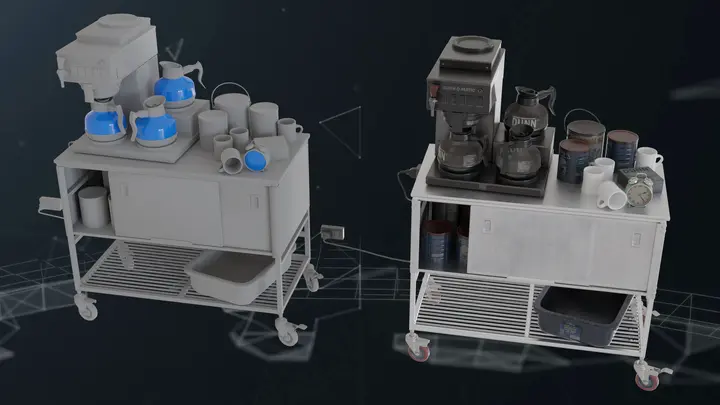
Aggregation with multiple output materials
In this blog we'll showcase how to use a mapping image with multiple output materials. This enables you to perform material merging on an asset with both opaque and transparent materials.
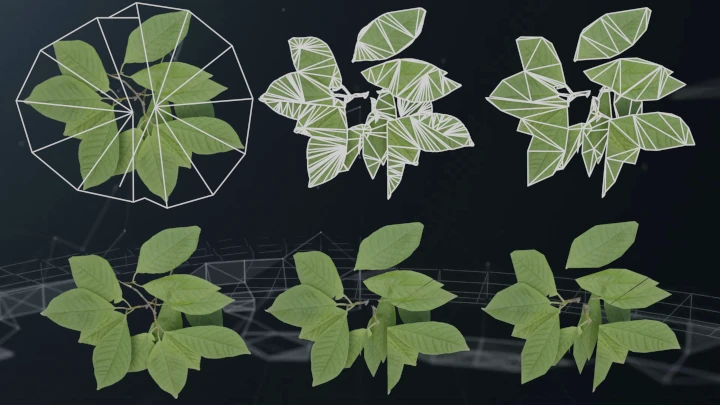
Tight fitting impostors with minimal overdraw
Generate tight fitting impostor geometries around the opaque areas based on the input opacity map.
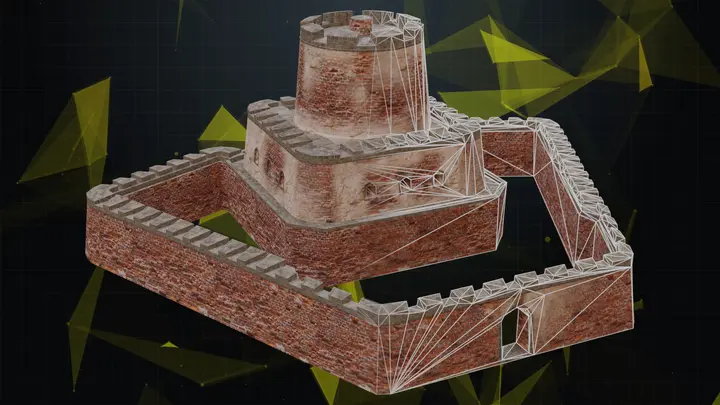
Using your own shaders for material baking with Compute Casting
Today we will look at how to create proxies for object with custom shaders. We are going to use compute casters in combination with scene descriptions serialized to xml files to create a batch processor indented to process HLOD meshes. We'll also cover clipping planes.
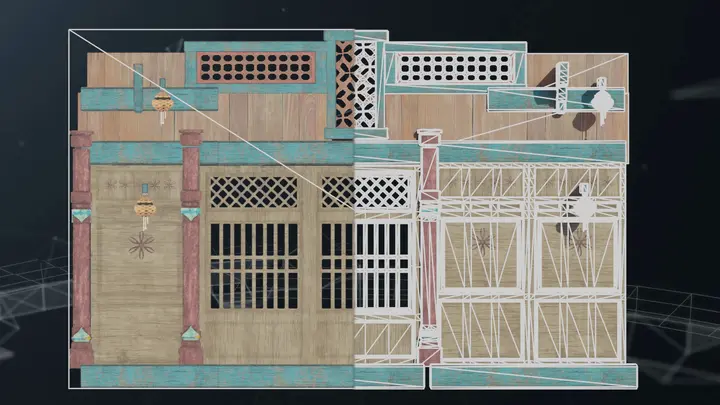
A look at impostor from single view in Unity HDRP
In this blog post we will take a look at how material casting for Unity HDRP render pipeline allows us to create extremely lightweight impostors. We are also going to cover how to hide LOD pops with cross fading.
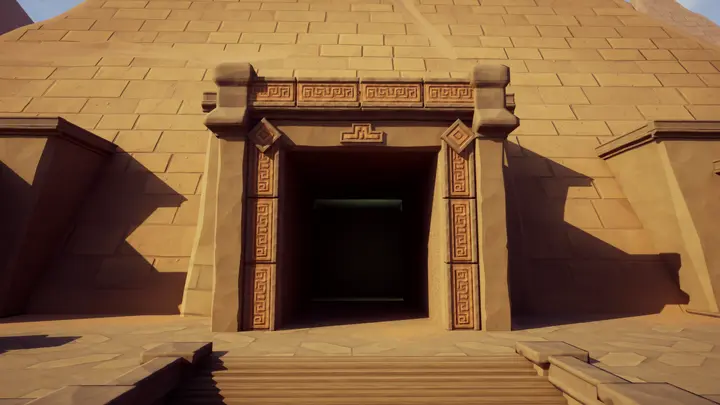
Troubleshooting material baking in Unreal Engine
In this blog we'll look at different issues with material baking in Unreal Engine and their solutions. As example we will optimize draw calls by create a stand-in replacement of a group of objects. We are going to look at how to reuse UV-space, separate out troublesome material nodes and how to debug texture baking.

How to find correct settings for a scripted pipeline
In this post we'll cover how to find the correct settings for a scripted pipeline by exporting a pipeline created using the user interface.

What's new in Simplygon 10.2
As a Midsummer gift to all game developers we are proud to release Simplygon 10.2! In this release we have worked on core improvements to our remesher, support for Unity's Universal Render Pipeline and High Definition Render Pipeline and lastly support for Unreal Engine 5.2.
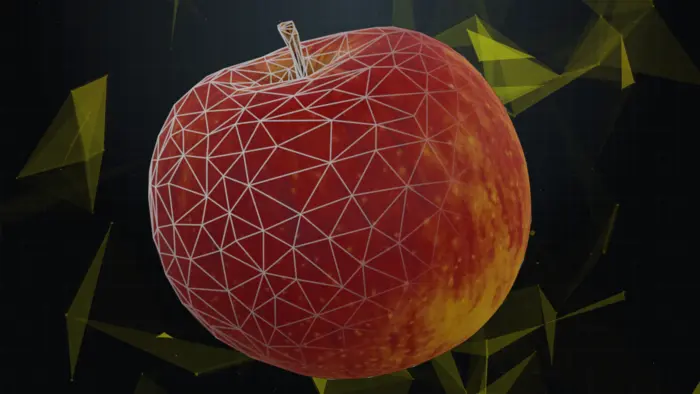
Bake vertex colors into textures
In this blog we'll look at how to bake vertex colors into textures. Use case for this is certain phot scanned assets where color data is saved into vertex colors. We'll look at how to do this with both the remesher and aggregator pipeline. We'll also cover how to create a shading network for vertex colored materials as well as how to remove vertex colors from model post processing.
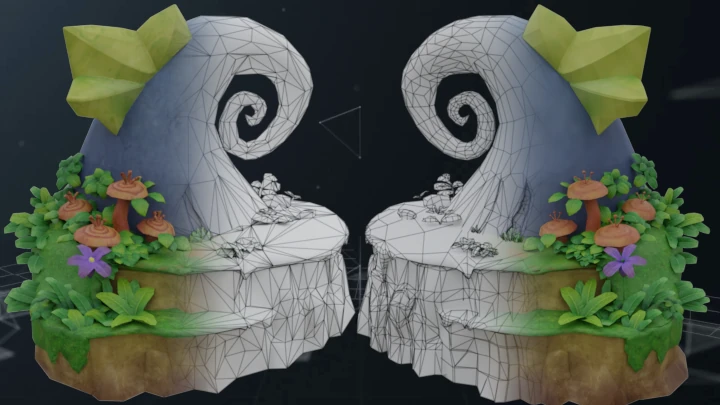
Aggregation and remeshing - Evaluating the best method for proxy creation
After reading this blog post, you will have a framework to evaluate the best method to create proxies for your game. The post will compare the remeshing and aggregation methods for generating proxies for your asset collection, and delve deeper into how to decide which method is best for your game.
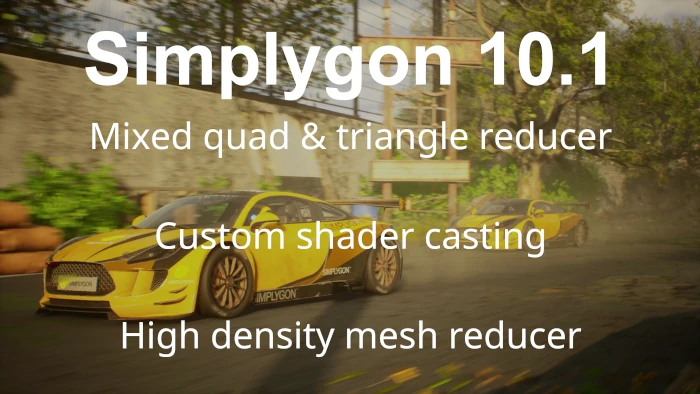
What's new in Simplygon 10.1
In Simplygon 10.1 we have focused on improving the new features added in 10.0, as well as adding new exciting features. The headline of the release is definately shader casting which we hope will make it much easier for developers to bake materials and textures. We have also added a high density reducer to tackle very high poly scanned and sculpted meshes.
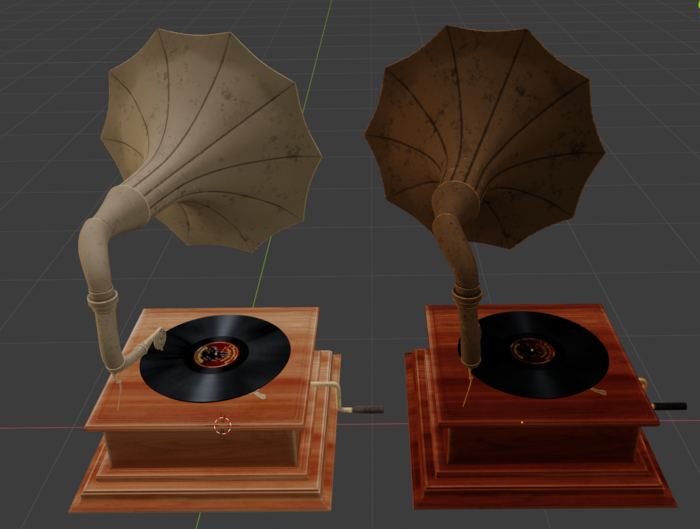
Troubleshooting gamma issues
If you have processed assets in Simplygon and the output had another color shade, then this post is for you. In this post we'll go through how to detect and solve gamma issues.
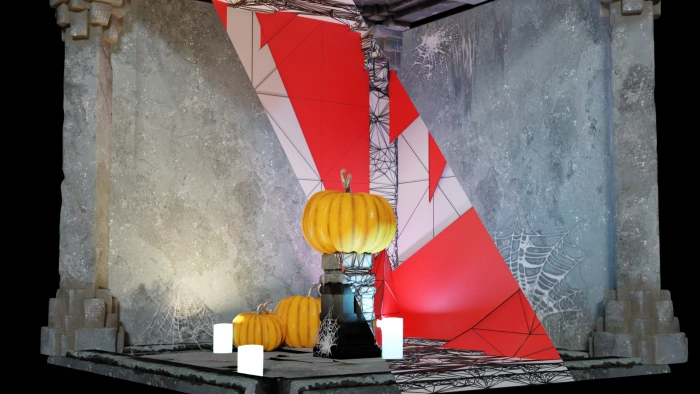
Bake decals into surfaces
In this spooky blog post we will optimize away spider web decals from a scene. While it might seem unfitting given the release date of this post it is a well-known fact that most of the spider webs being displayed are not real and just for decoration.
No posts match your filters
Try a different keyword, or clear the active filters to see every post.