Blog
When optimization gets practical
Customer stories, technical guides, and deep dives into 3D content optimization pipelines.
Categories
Tags
Search results
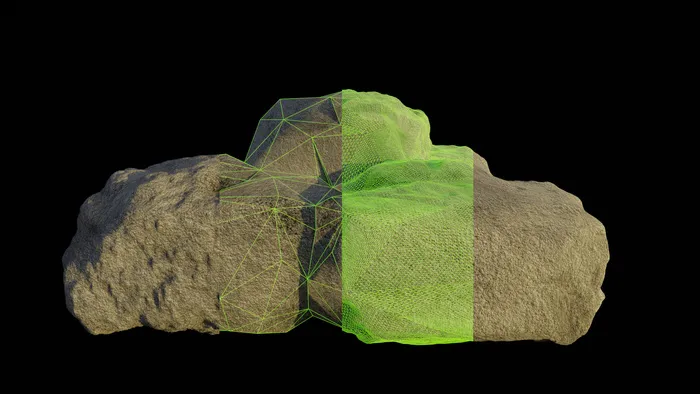
Accelerated remeshing using tessellated attributes
With Simplygon 10.0 we introduced tessellated attributes. In this post we'll showcase how to use them to speed up high resolution remeshings where we only care about surface details.
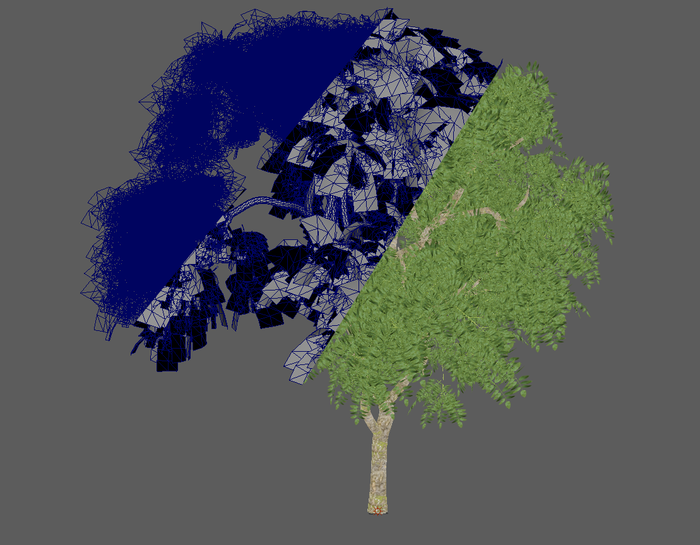
Manually separate trunk during vegetation optimization
Simplygon has a pipeline specific tailored for vegetation optimization; Billboard Cloud for Vegetation. One of its features is an automatic trunk detector which can separate out the trunk from all leaves and run it in a separate reduction processor. However for this blog post we are going to do that manually to increase our control over the processing.
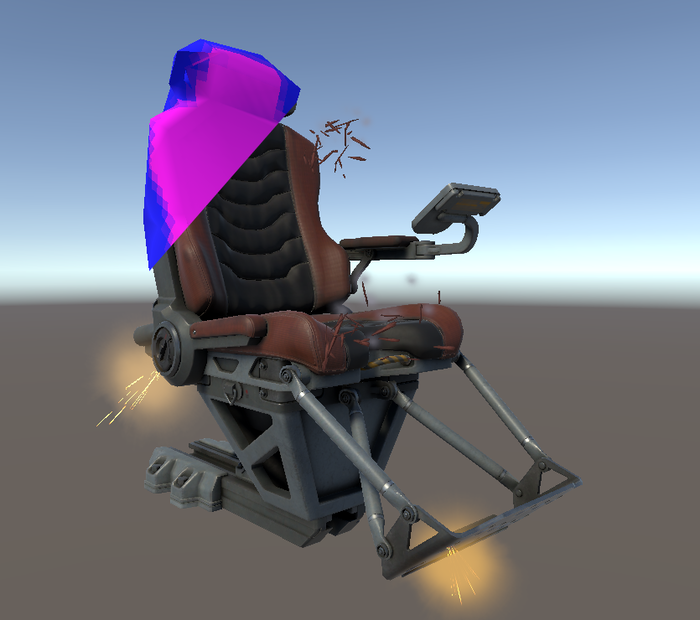
Bake material data into textures for Unity physics meshes
Physics meshes are used in almost every 3d game. It is also very common that we want to know the different materials of the physics object for spawning certain impact effects. In this post will showcase how to optimize a physics mesh and keep material data in Unity as a texture.
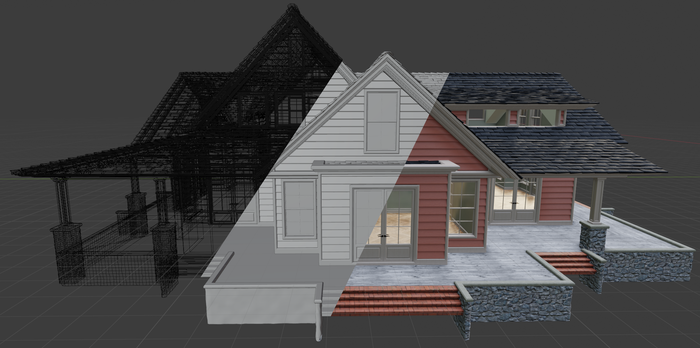
How to remesh your house with Simplygon
There are many objects which have different types of materials; both transparent and opaque. Remeshing these with Simplygon requires extra care if one wants to preserve the transparency. In this example are going to optimize a house with glass windows, a quite common asset in many games.
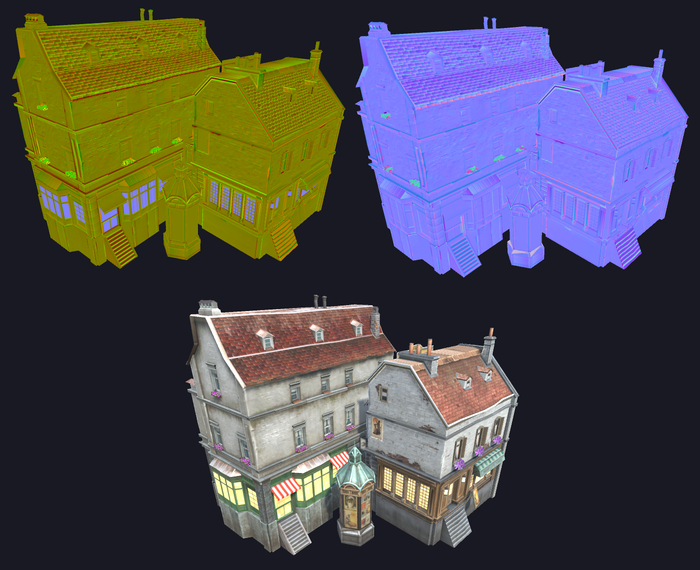
Use shading network to recreate normal maps
This example show how you can use shading networks to recreate a normal map that had it's blue channel removed.
Custom material casting using mapping image
In this example we'll show how you can use the mapping image directly to do a custom material casting.
Using custom shaders in Unity
In this example we'll show how you can use material casting with a shading network to optimize a custom shader.
A simple Python remeshing
This post will give you a simple starting point for a remeshing script. We'll show how to turn an untextured glb asset, with material colors, into a textured proxy.
Comparing material casting and aggregation
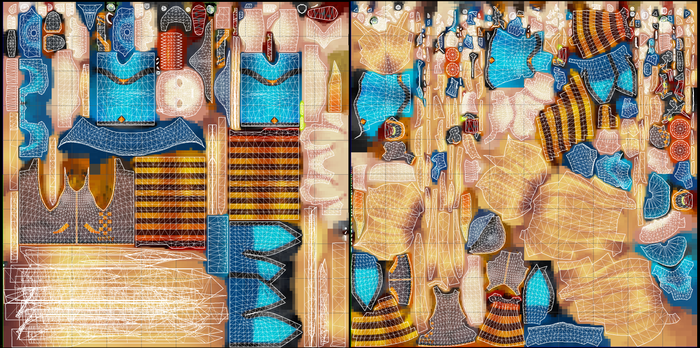
In Simplygon, you have two different options when it comes to transferring materials from source to optimized geometry. You can either cast the materials pixel for pixel, or merge the materials using the existing UVs. This makes for some interesting choices that we will explore in this post.
Automatic material casters with glTF in C++
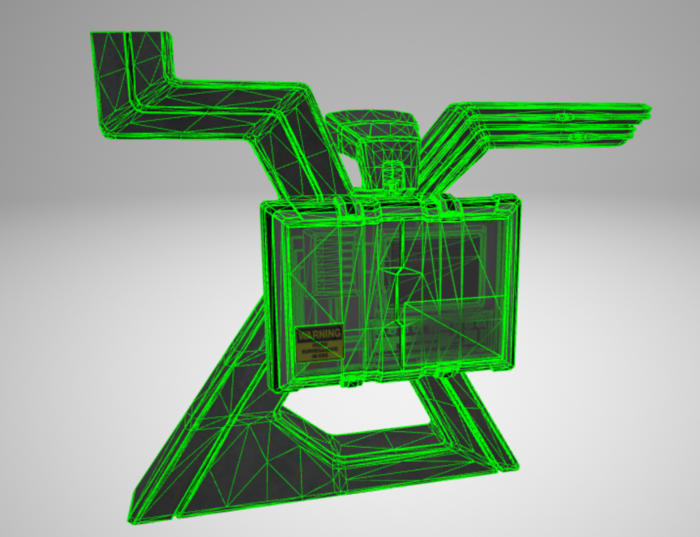
If your asset pipeline holds different material setups for different assets, it can be useful to know how to make Simplygon cast materials correctly without having to know the exact setup for each asset. In this post we will guide you through a way of detecting and applying the correct material casters based on the input materials of the loaded scene. This guide is for the glTF file format, and different options is likely to be required for other file formats.
Simple remeshing scripting in 3ds Max 2021
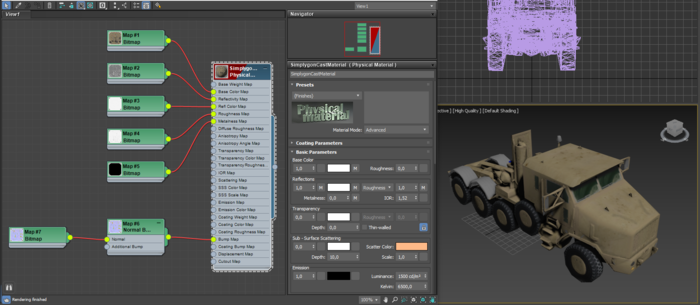
This blog post will show you how to write a simple remeshing python script in 3ds Max 2021, using the new Physical Material system.
Impostor: Billboard cloud for vegetation
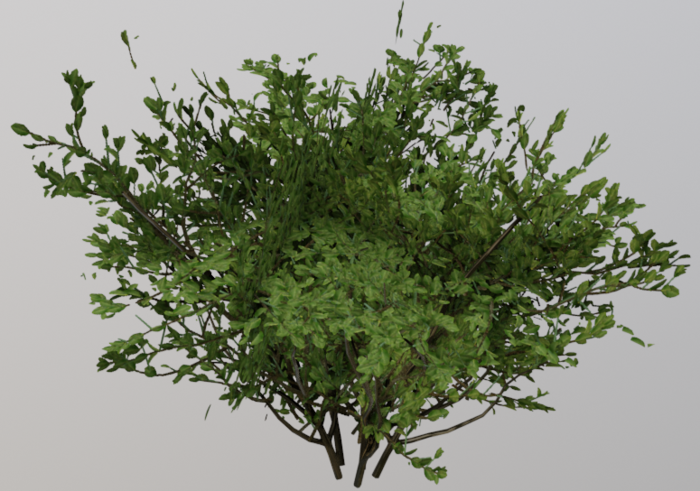
The billboard cloud aims to replace the objects in a scene with a view independent set of billboards. For vegetation assets the "Billboard mode" should be set to "Foliage" . This mode allows the billboards to represent the foliage volume with intersecting planes. The leaves should map to the billboards in a manner that keeps the perception of volume and silhouette close to the original tree.
No posts match your filters
Try a different keyword, or clear the active filters to see every post.